








-
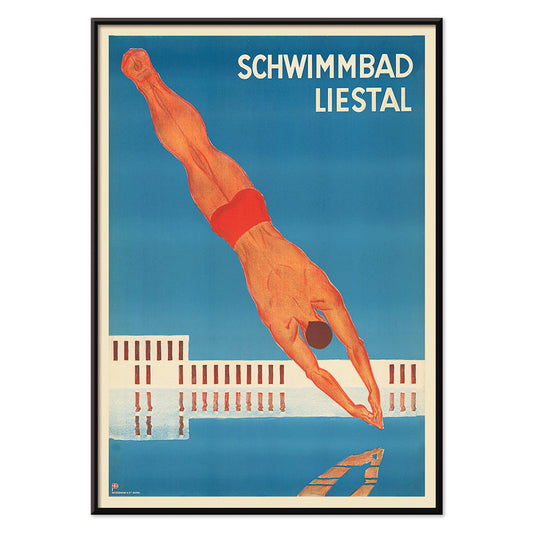
Schwimmbad Liestal Poster
Unknown artist · 1934 · Modernist swimming pool poster with bold red diver above deep blue water
Poster from €9 · Framed from €16
Regular price From €6,00Regular price -
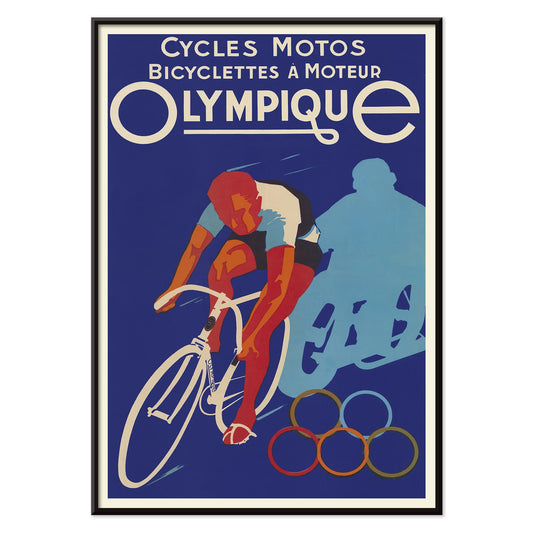
Cycles olympique Poster
Affiches Gaillard · 1931 · Vintage poster with a racing cyclist and Olympic rings
Poster from €9 · Framed from €16
Regular price From €6,00Regular price -
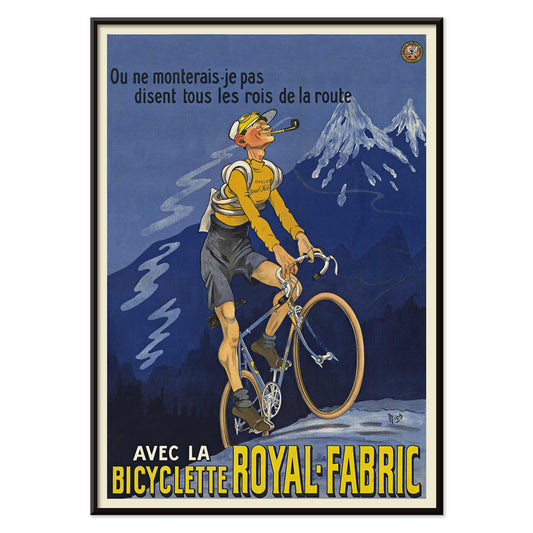
Royal-Fabric bicycle Poster
Michel Liebeaux · 1922 · Vintage bicycle poster with a climbing rider and Royal-Fabric lettering
Poster from €9 · Framed from €16
Regular price From €6,00Regular price -
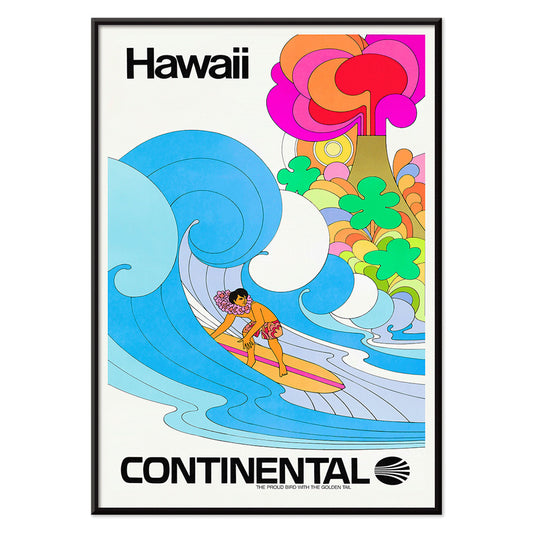
Continental Hawaii Airline Poster
Unknown artist · 1960 · Joyful Hawaii surf poster with lei-wearing surfer and psychedelic flower backdrop
Poster from €9 · Framed from €16
Regular price From €6,00Regular price -
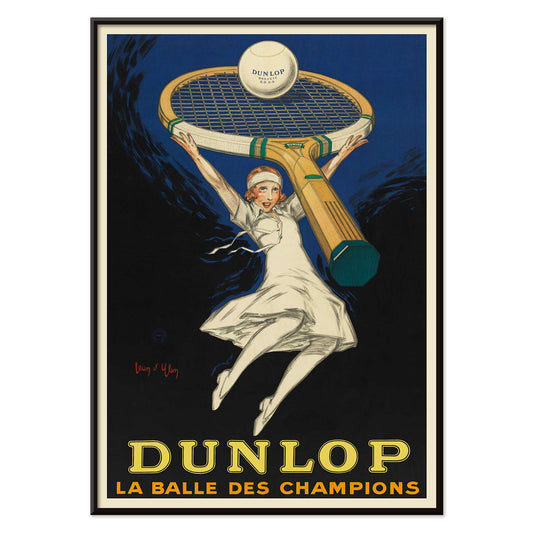
Dunlop, the ball of champions Poster
Jean d Ylen · 1929 · Dynamic Dunlop poster with a tennis player beneath an oversized racket
Poster from €9 · Framed from €16
Regular price From €6,00Regular price -
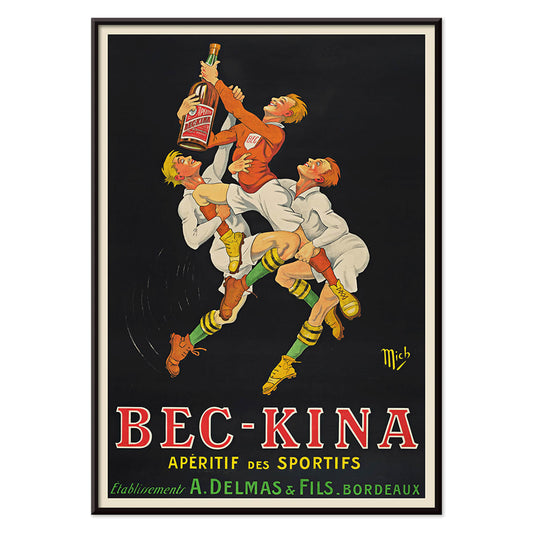
Bec-Kina Poster
Michel Liebeaux · 1900 · Energetic rugby themed aperitif poster with bold figures reaching for a bottle
Poster from €9 · Framed from €16
Regular price From €6,00Regular price -
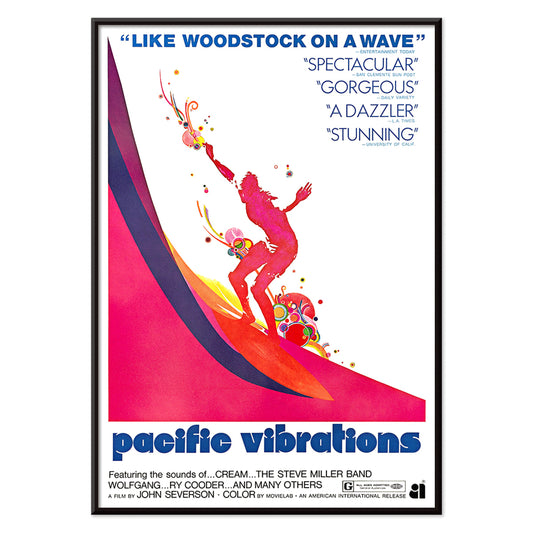
Pacific Vibrations Poster
Unknown artist · 1970 · Vibrant surfer poster featuring dynamic figures in ocean blue with warm pink and orange accents
Poster from €9 · Framed from €16
Regular price From €6,00Regular price -
Crans Poster
Unknown artist · 1955 · Dynamic alpine ski poster with bold color blocks, crisp slopes, and blue sky
Poster from €9 · Framed from €16
Regular price From €6,00Regular price -
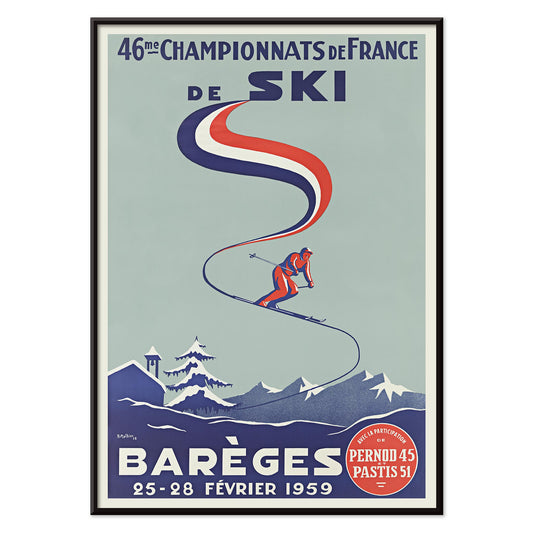
46th French Ski Championships Poster
H. Mathieu · 1959 · Vintage poster for the French Ski Championships in Barèges with a sweeping skier motif
Poster from €9 · Framed from €16
Regular price From €6,00Regular price -
Redlands bicycle classic Poster
Karlis Smiltens · 1991 · Dynamic cycling poster with bold red, blue, and green racers in motion
Poster from €9 · Framed from €16
Regular price From €6,00Regular price -
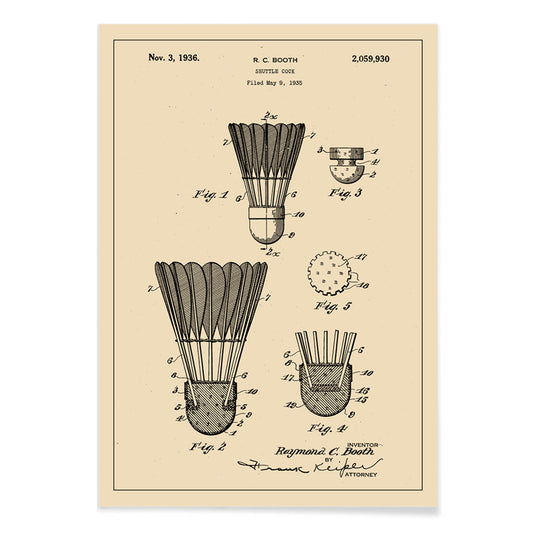
Shuttle Cock patent Poster
Robert Charles Booth · 1874 · Detailed shuttlecock patent poster with crisp diagrams on warm beige paper
Poster from €9 · Framed from €16
Regular price From €6,00Regular price -
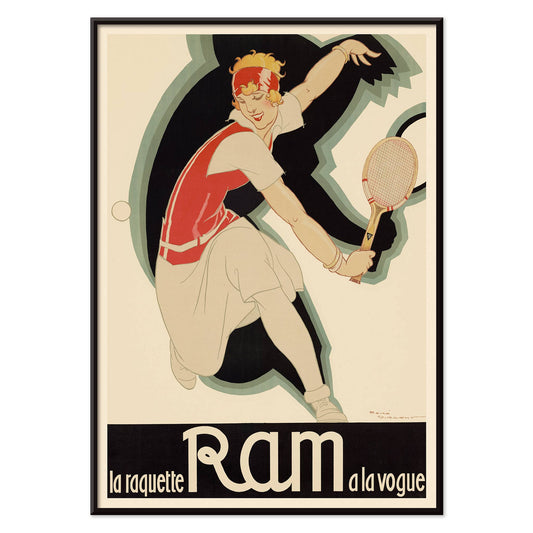
La raquette Ram a la vogue Poster
René Vincent · 1926 · Vintage poster with a tennis player and bold Ram lettering
Poster from €9 · Framed from €16
Regular price From €6,00Regular price -
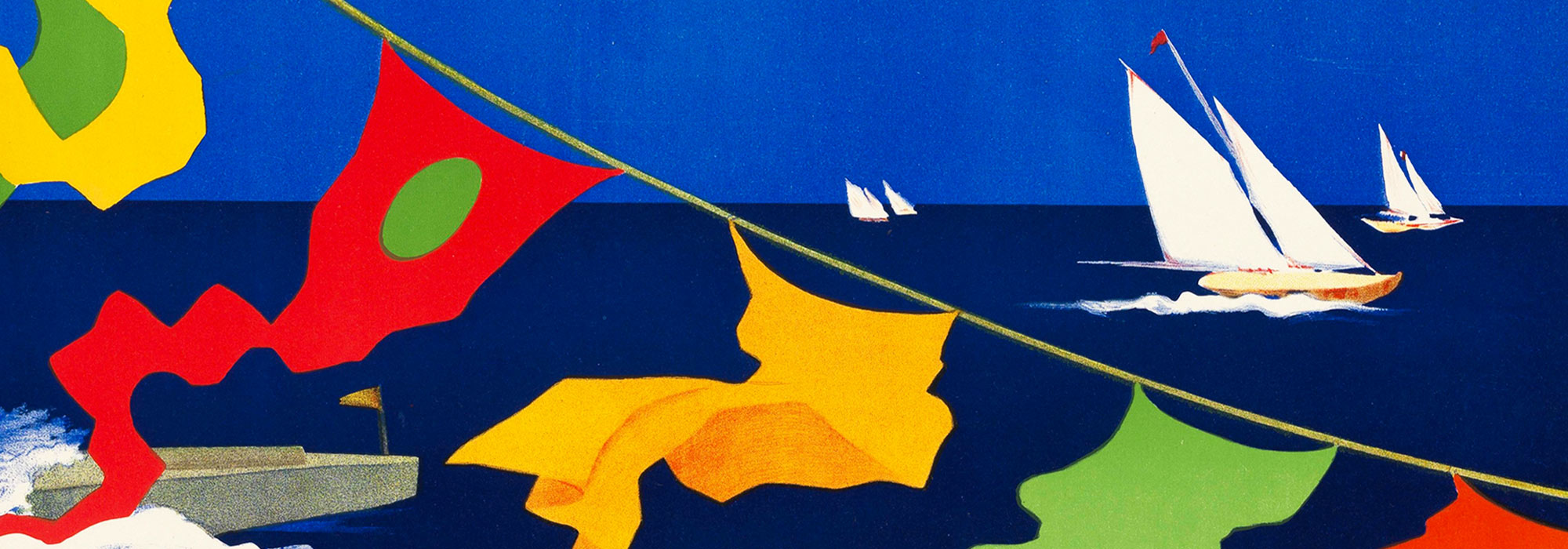
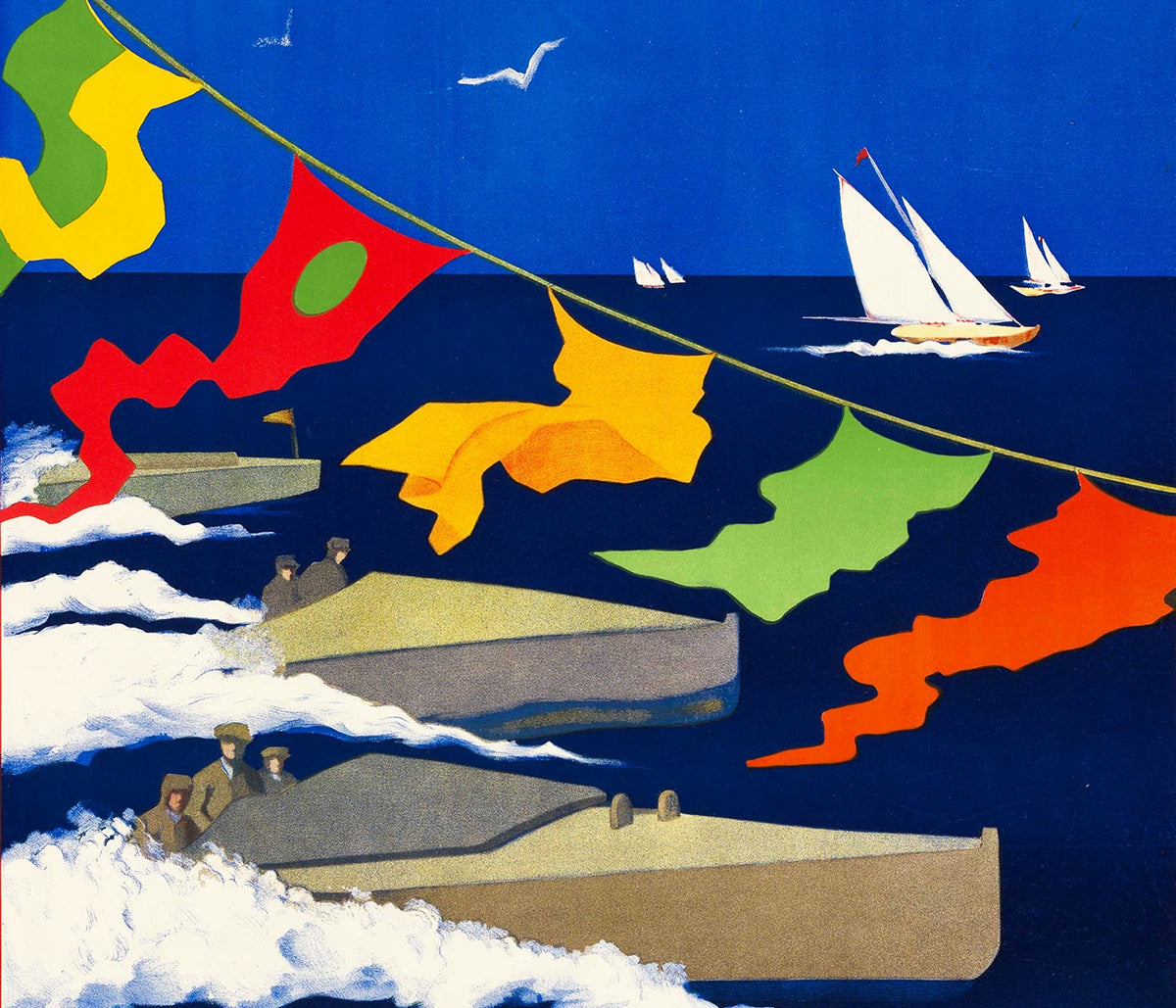
Abbazia Sport Woche Poster
Stefanie Glax · 1912 · Dynamic regatta poster with bold sails cutting across bright blues and coastal light
Poster from €9 · Framed from €16
Regular price From €6,00Regular price -
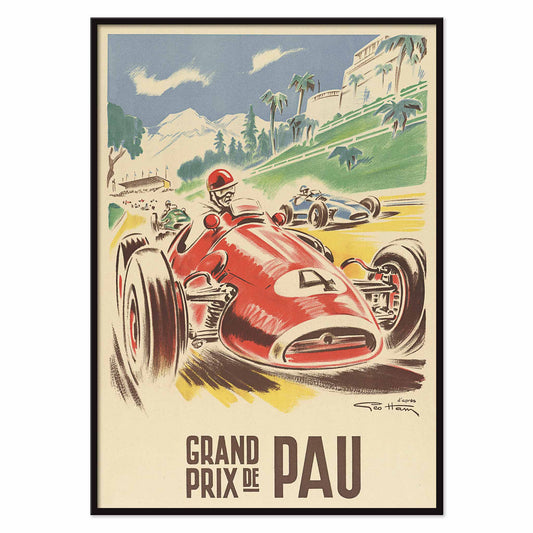
Grand prix de Pau Poster
Georges Hamel · 1950 · Grand Prix de Pau poster thrusts a red racing car toward the viewer beneath hillside palms
Poster from €9 · Framed from €16
Regular price From €6,00Regular price -
Jantzen Poster
Joseph Binder · 1952 · Energetic skiing poster with a stylized couple cutting through bold alpine shapes
Poster from €9 · Framed from €16
Regular price From €6,00Regular price -
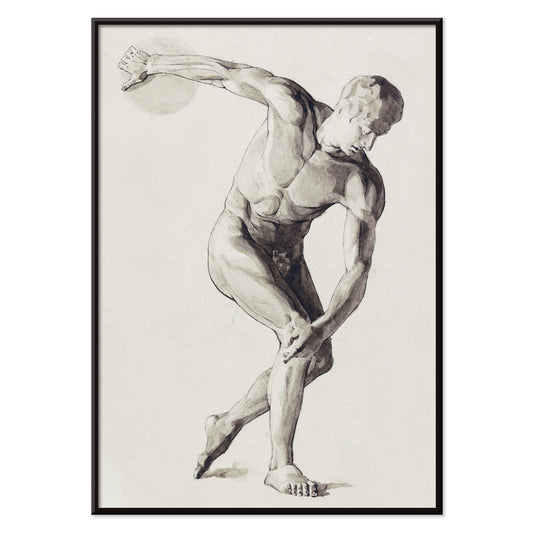
Discus Thrower Poster
Jan Veth · 1912 · Sculptural nude athlete art print capturing the coiled motion of a classical discus throw
Poster from €9 · Framed from €16
Regular price From €6,00Regular price -
Jantzen 2 Poster
Joseph Binder · 1952 · Dynamic skiing poster with stylized couple and bold blue, white, and red blocks
Poster from €9 · Framed from €16
Regular price From €6,00Regular price -
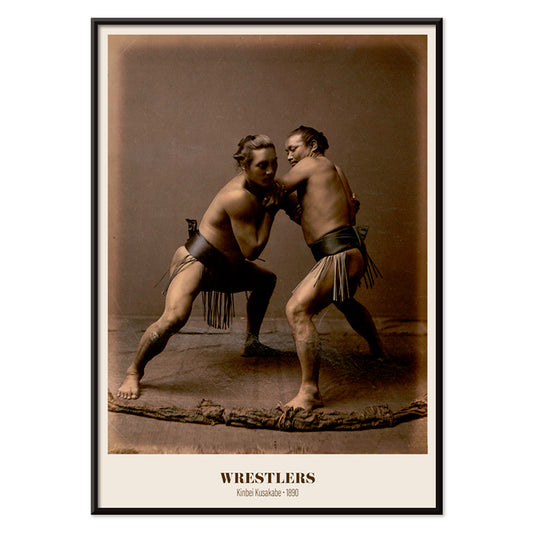
Wrestlers Poster
Kinbei Kusakabe · 1890 · Hand-colored sumo wrestlers print capturing a poised clinch in warm sepia tones
Poster from €9 · Framed from €16
Regular price From €6,00Regular price


















Sport in Motion
Sport posters have always been more than records of matches; they translate speed, discipline, rivalry, and public excitement into graphic rhythm. This collection looks at athletic culture as visual history, from stadium spectacle to leisure pursuits, where a poster or art print can carry the same charge as a whistle, crowd, or finish line. In vintage sport design, bodies become diagonals, balls become circles of tension, and typography often behaves like a scoreboard. The result is wall art with pace: decoration that feels energetic without shouting.
Graphic Discipline and Public Life
The collection begins with London Underground Transport (1933) by London Transport, a reminder that modern sport is also about routes, crowds, and shared urban ritual. Its clean diagrammatic network, derived from Harry Beck’s radical map language, turns the city into a field of colored lines and tactical decisions. Seen beside athletic imagery, it speaks to the same modern faith in timing, coordination, and movement. The best sport print often borrows from transport graphics, advertising, and exhibition design: simplified forms, blunt contrasts, and information arranged so the eye moves before the mind explains.
Rooms That Like Energy
Sport wall art works especially well in rooms that already have movement in their purpose: hallways, studies, children’s rooms, kitchens used for gathering, and living rooms with books, music, or low furniture. A rowing image can lengthen a narrow wall; a cycling poster can bring circular momentum near a desk; a boxing or tennis composition can sharpen a neutral scheme. Pair this collection with bike posters for mechanical grace, surf prints for coastal motion, or music posters when you want rhythm rather than competition.
Pairing Prints Like a Team
For a gallery wall, think in positions rather than matching subjects. Let one large vertical poster act as the striker, then support it with smaller photographs, maps, or abstract color fields. Black, red, blue, and yellow accents tend to read as athletic because they recall jerseys, flags, lane markings, and scoreboards. The London Underground print is useful here: its measured geometry can calm more muscular images, especially when framed in black wood or natural oak. It sits naturally with vintage advertising, photographic prints, and Bauhaus posters, where clarity and motion share a common language.
Why Sport Belongs on the Wall
What makes sport imagery interesting for home decor is its balance between control and impulse and nerve. It can be disciplined, almost architectural, yet it always hints at sweat, noise, risk, and joy. In a contemporary interior, these prints prevent vintage decoration from feeling too polite. They bring human effort into the room, but through design rather than memorabilia. A sprinting figure can converse with an abstract composition; a skiing scene can cool a warm wood interior; a football crowd can add density to an otherwise quiet reading corner. As this collection grows, expect works that treat sport as social theatre, graphic experiment, and everyday ritual, pieces that belong as much with design history as with club colors or Olympic memory.